
Acrylic Acid Suppliers, Dealers in Mumbai, Maharashtra, India
Acrylic Acid: Complete Product Guide
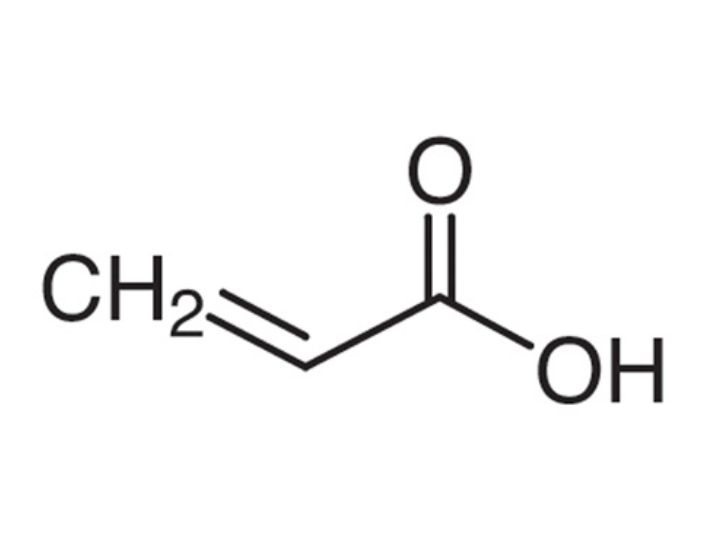
Acrylic Acid is one of the most important industrial chemicals used today, known for its exceptional reactivity and versatility. As a key building block in the production of polymers, adhesives, coatings, and superabsorbent materials, acrylic acid plays a vital role in a wide array of industries—from hygiene and textiles to water treatment and construction. With heightening global demand for featherlight, durable & high-performance materials, the significance of acrylic acid continues to increase.
What is Acrylic Acid?
Acrylic acid, also known by its IUPAC name which is propenoic acid or prop-2-enoic acid. It is a clear & colorless liquid with a pungent or acrid odor. Its molecular formula is C₃H₄O₂. It consists of a vinyl group directly attached to a carboxylic acid group. It is the simplest unsaturated carboxylic acid. This peculiar structure allows it to undergo both addition reactions through the double bond as well as acid-base reactions through the carboxylic group. This makes it highly reactive, volatile & all-rounder for various applications.
As studied it is usually made through the catalytic oxidation of propylene. It is a by-product of ethylene as well as gasoline production. Its ability to form polymers and copolymers has led to extensive use across industries. It ranges from adhesives & paints to textiles and hygiene products. Due to its high water absorbency, it is a critical component in the manufacture of superabsorbent polymers (SAPs), which are used in products like diapers and adult incontinence materials.
Due to its reactive double bond as well as acidic functional group, acrylic acid plays a fundamental role as a chemical intermediate in organic synthesis & polymer manufacturing also. Despite its industrial importance, it is a hazardous substance and must be handled with care due to its corrosive and flammable nature.
Chemical Specifications
| Name of The Product | Acrylic Acid |
|---|---|
| CAS Number | 79-10-7 |
| Form of The Product | Liquid |
| Appearance of The Product | Colorless to slightly yellow transparent liquid |
| Odor or Smell | Acrid, vinegar-like pungent odor, tart smell |
| Chemical Formula | C₃H₄O₂/td> |
| Molecular Weight | 72.06 g/mol |
| Molecular Weight | 72.06 g/mol |
| Boiling Point | 141°C |
| Freezing Point | 12.3°C |
| Density | 1.051 g/cm³ at 25°C |
| Solubility | Miscible with water, alcohols, and ethers |
Our Acrylic Acid is a high-purity, premium, amazing quality, industrial-grade solution made in the lab to meet international standards. It is stabilized with MEHQ or monomethyl ether hydroquinone to prevent early polymerization. Each batch undergoes stringent quality control processes to guarantee great performance across a huge array of applications.
This acid is ideal for users in the coatings, adhesive, plastic & water treatment industries, providing excellent polymerization reactivity & long-term stability under standard storage conditions. Its superior chemical properties make it best for use in both aqueous as well as solvent-based systems.
All containers are UN-approved & comply with international safety standards for hazardous material transport & storage. Custom grades & packaging options can be provided on request by our exporters.
| Classt | Acids & Anhydrides |
|---|---|
| Appearance | Colourless Liquid |
| Purity | ≥ 99.5% |
| Moisture Content | ≤ 0.2% |
| MEHQ (PPM) | 182-220 |
| Color (APHA) | ≤ 10 |
| Flash Point | 46 °C |
| Refractive Index | 1.4224 |
| Density | 1.05 g/cm3 |
To receive detailed product documentation such as the Material Safety Data Sheet (MSDS), Technical Data Sheet (TDS), or COA, please contact us via email or phone or visit our website.
Acrylic acid: Handling and Storage
Acrylic acid is very irritating and corrosive to the skin and the respiratory system. Contact with the eyes might cause major permanent damage. Low exposure will have little or no health impact; excessive exposure might lead to pulmonary edema.
Structure of Acrylic Acid
A white crystalline solid, it melts at 318 °C (604 °F) without disintegration and boils at 1,388 °C (2,530 °F). Though polar solvents like ethanol and methanol have less solubility, it is quite soluble in water. Ether and other non-polar solvents do not dissolve NaOH.
Applications of Acrylic Acid
Acrylic acid is a highly flexible chemical used in numerous industries due to its polymer-forming capabilities and reactive nature. Acrylic Acid Uses in Industries are following:
a) Paints & Coatings: Acrylic acid is used to create high-performance paints and coatings with excellent durability, UV resistance, and water repellency. It is a key component in emulsion polymers for decorative and industrial paints.
b) Adhesives & Sealants: Acrylic polymers provide strong adhesive properties and are used in pressure-sensitive tapes, construction adhesives, and automotive sealants.
c) Superabsorbent Polymers (SAP): In hygiene products such as diapers, adult incontinence products, and sanitary pads, SAPs derived from acrylic acid can absorb and retain large amounts of liquid.
d) Water Treatment: Acrylic acid is used to manufacture dispersants and scale inhibitors, improving water quality in industrial cooling and boiler systems.
e) Plastics & Resins: Acrylic acid-based polymers are used in the production of thermoplastics, acrylic resins, and molding compounds that are light-weight, durable, and impact-resistant.
f) Textile Industry: Acrylic acid improves dye uptake, softness, and water retention in fabrics. It is also used in textile coatings to enhance weather and wash resistance.
g) Construction Chemicals: Used in waterproofing compounds, concrete additives, and repair mortars to improve workability and durability.
h) Agriculture: Acrylic acid derivatives improve the water-holding capacity of soil and are also used in controlled-release fertilizers, helping optimize nutrient delivery.
Product Pack Size
We offer our Acrylic Acid solution in a variety of packaging sizes to cater to different user needs:
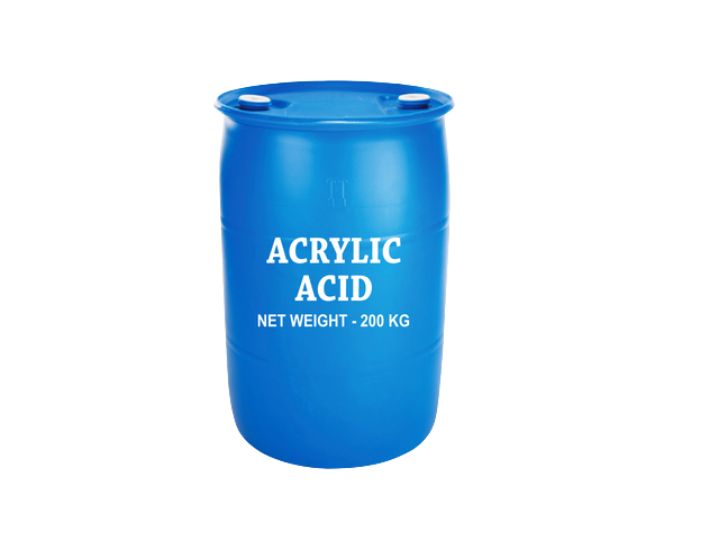
· 200 kg HDPE Drums: Ideal for mid-size industrial operations.
· 1000 kg IBC Tanks: Preferred by large-scale manufacturing plants.
· Bulk Tankers: Available for bulk delivery on request.
Each package is sealed & labeled as per international hazardous material regulations. being the best suppliers, our personalized packaging solutions include palletized shipments and special grade containers. These are available upon request.
Why Choose Us?
Founded in Mumbai, Shakti Chemicals has been a major distributor, and exporter in the chemical sector since 1983. We also produce our goods with client customization and maintain material accuracy to be provided under standard criteria.
Shakti Chemicals has built a track reputation of quality throughout the years as they are the best dealers of chemicals. Our consistent performance and positive customer reviews help us to be known as a dependable and preferred partner among the chemical industry.
Your happiness comes first for us. Shakti Chemicals in India offers a customer-centric approach, modifying our services to fit your requirements. Our committed and watchful staff ensures that your issues are handled promptly. Hence, fostering an interesting & enduring relationship as user and traders.
Reach out to us now to guarantee a smooth supply chain in line with the best industrial criteria.
Frequently Asked Questions (FAQs)
Q1. What is the primary use of acrylic acid?
Acrylic acid is fundamentally used as a monomer in the making of acrylate esters, superabsorbent polymers as well as co-polymers. These are used in adhesives, paints, coatings, textiles as well as personal hygiene products.
Q2. Is acrylic acid hazardous?
Yes, Acrylic acid is classified as corrosive as well as burnable. It can cause skin burns, eye irritation along with respiratory issues if inhaled. Always use appropriate personal protective equipment (PPE) while handling it.
Q3. Can acrylic acid be diluted?
Yes, acrylic acid is completely miscible with water and alcohols. However, dilution should only be done under controlled conditions using proper equipment and safety protocols.
Q4. What is MEHQ and why is it used in acrylic acid?
MEHQ, i.e, monomethyl ether hydroquinone is an inhibitor added to acrylic acid to prevent it from polymerizing during storage & transport. It stabilizes the product as well as prolongs shelf-life.
Q5. What are the environmental considerations?
Acrylic acid can be harmful to aquatic life and should not be released into the environment. Spill control measures and proper waste disposal procedures must be followed.
Q6. How is acrylic acid stored?
It must be stored in stainless steel or polymer-lined containers, in cool, dry as well as well-ventilated areas, away from heat, sparks as well as direct sunlight. The use of explosion-proof item is recommended.
Q7. Can acrylic acid be used in food products?
No. Acrylic acid is not food-grade and is not approved for use in food, pharmaceuticals, or cosmetics.
Q8. How long can acrylic acid be stored?
When stored correctly in sealed containers with proper inhibition, acrylic acid has a shelf-life of up to 12 months.
Q9. What precautions should be taken during transportation?
Acrylic acid must be transported as a hazardous or risky compound. Make sure that it is packed in UN-approved drums or tanks with apt hazard labeling.
Q10. What are the physical hazards of acrylic acid?
It is both flammable & reactive & may polymerize violently if exposed to heat or contaminants. Adequate safety measures are necessary during handling and storage.
Looking for high-purity Acrylic Acid with timely delivery and competitive pricing?
Get in Touch with Us
Looking for high-quality Acrylic Acid? Contact us today for bulk orders and technical details.
Contact Us- Address: 206-207, 2nd Floor, Wadala Udhyog Bhavan, Naigaon Cross Road, Wadala (West)
- Email: info@shaktichemicals.org
- Phone: +91 4044 0000