
Propylene Glycol Suppliers, Dealers of Propylene Glycol in Mumbai, India
Propylene Glycol
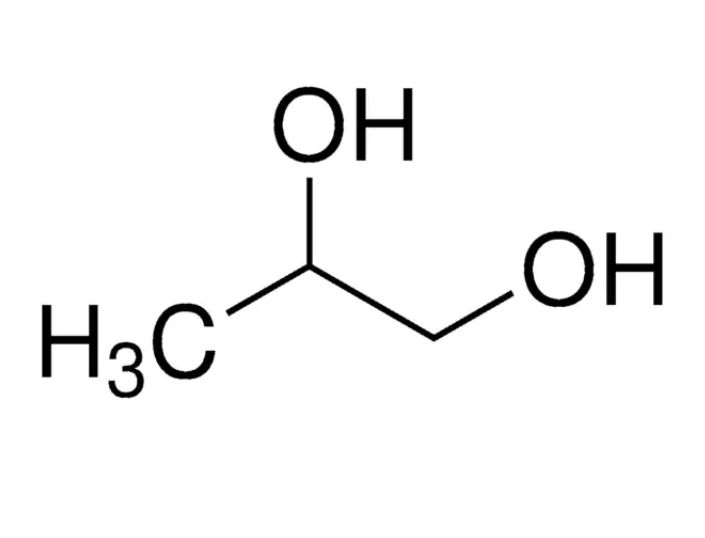
Propylene Glycol is a high-performance specialty chemical designed for industrial and technical applications where precision, reliability, and efficiency are paramount. Engineered with cutting-edge polymeric technology, Propylene Glycol delivers exceptional performance in surface modification, adhesion promotion, and stabilization processes. It offers a unique combination of stability under challenging conditions and compatibility with diverse substrates and systems. Whether utilized in manufacturing, coatings, composites, or specialty formulations, Propylene Glycol provides consistent results, enhanced durability, and streamlined processing. This makes it an indispensable component for formulators seeking superior performance with minimal complexity.
What is Propylene Glycol?
Propylene Glycol is a proprietary polymeric additive formulated to improve adhesion, dispersion as well as performance characteristics of complex systems. At its core lies a high molecular weight organosilane modified polymer blended with reactive functional groups such as aminosilanes, epoxysilane, or methacryloxy silane. This combination provides multiple interaction sites, enabling Propylene Glycol to bond effectively to organic as well as inorganic substrates, including plastics, metals, glass & also mineral fillers.
Chemical functionality includes:
• Organosilane coupling: This increases adhesion between dissimilar phases.
• Reactive polymer backbone: This offers compatibility with thermosets, thermoplastics, elastomers, and coatings.
• 45–60% solids content in a solvent blend (ethanol, isopropanol, or auxiliary cosolvent) for optimal viscosity (~500–1,200 cP).
Mechanistically, Propylene Glycol acts at the molecular level to create covalent or strong hydrogen-bonded interfaces. This compound significantly increases mechanical strength, thermal stability as well as resistance to moisture, chemicals & thermal cycling. It is thermally stable up to 180–200 °C & is also compatible across a broad pH range (pH 2–11). It is commonly used in concentrations from 0.5 to 5% w/w. Propylene Glycol is suitable for industrial-scale batch or continuous processing. It is typically dosed inline or via automated metering systems.
Major benefits are inclusive:
• Excellent compliance on low-energy surfaces (e.g., polypropylene).
• Improved filler dispersion as well as homogeneity in composites.
• Resistance to delamination in harsh conditions.
• Reduced VOC emissions as well as minimal odor from solvent blend.
In essence, Propylene Glycol offers formulators an advanced, science-backed tool to enhance product performance while simplifying process controls.
Product Description Table
| Property | Details |
|---|---|
| CAS Number | None (Proprietary Blend) |
| Appearance | Clear to pale yellow liquid |
| Solids Content | 45–60 % |
| Viscosity (25 °C) | 500–1,200 cP |
| Functional Groups | Organosilane (amino/epoxy/methacryloxy), reactive polymer backbone |
| Density | ~1.02–1.05 g/cm³ |
| pH Range | 2–11 |
| Thermal Stability | Stable up to 180–200 °C |
| Application Method | Dosing: 0.5–5% w/w; inline metering, batch dosing |
| Compatibility | Thermoplastics, thermosets, elastomers, coatings, adhesives |
Specifications
Solid Content: 45–60% ±2% (gravimetric, 105 °C, 2 hrs)
Viscosity: 500–1,200 cP @ 25 °C (Brookfield viscometer, spindle #3 at 10 rpm)
Density: 1.02–1.05 g/cm³ @ 25 °C (pycnometer method)
pH Value: 2–11 (1% aqueous dispersion)
Functional Content:
Organosilane (≥1 %)
Reactive polymer backbone (≥20–30 %)
Thermal Stability: No significant degradation < 180 °C (TGA)
Appearance: Visual inspection (clear to light yellow, no sediment)
Moisture Content: <2% (Karl Fischer titration)
Volatile Organic Compounds (VOC): ≤500 g/L (EPA Method 24 compliant)
Handling and Storage
• Storage Conditions:
o Store in cool (≤30 °C), dry, well ventilated area.
o Keep containers tightly sealed to prevent moisture uptake.
• Incompatible Materials:
o Try to avert strong oxidizers like for e.g., peroxides, nitric acid.
o Heavy metal catalysts may prematurely initiate curing reactions.
• Shelf Life:
o 12 months from manufacture (sealed, <30 °C).
• Spills:
o Absorb with inert material (sand, vermiculite). Always transfer to a sealed container as well as dispose per local regulations.
• Health & Safety:
o Use personal protective equipment (nitrile gloves, chemical resistant shades, lab coat).
o Always provide local exhaust ventilation when handling solvents.
o Use non sparking tools & also avoid ignition sources (flash point ~21–32 °C).
• First Aid:
o Skin contact: Wash asap with soap/water.
o Eye contact: Rinse with water for 15 min; seek medical attention.
o Inhalation: Move to fresh air; consult a physician if symptoms persist.
Structure of Propylene Glycol
Propylene Glycol is a hybrid polymer combining:
1. Reactive Backbone
o High molecular weight polymer (e.g., acrylic, vinyl, or urethane-based) offers film formation, mechanical toughness as well as processability.
2. Organosilane Functional Groups
o Terminal or grafted silane moieties (amino / epoxy / methacryloxy) chemically bond to inorganic surfaces or crosslinking partners.
3. Solvent Medium
o It comes in primarily ethanol or isopropanol with optional cosolvents for viscosity control.
Molecular schematic (simplified):
[Polymeric Backbone] — [Silane-G]ₙ
where "Silane G" represents reactive groups such as:
• Epoxy silane: –Si(OCH₃)₂–CH₂–(epoxy group)
• Amino silane: –Si(OCH₃)₂–(CH₂)₃–NH₂
• Methacryloxy silane: reactive vinyl group for crosslinking with acrylates
This multi functional design enables Propylene Glycol to act as interfacial bridge:
• Between organic polymers and glass/ceramic/metal substrates.
• Among filler particles to improve dispersion as well as composite land interactions.
Why Choose Shakti Chemicals
Shakti Chemicals in Mumbai, India stands at the forefront astrusty suppliers, exporter, traders, dealers, importers or distributors of Propylene Glycol. With a robust track record of delivering industrial-grade specialty chemicals, they guarantee:
• Consistency in product quality through ISO compliant analytics.
• Amazing technical support across R&D, scale up, regulatory as well as application troubleshooting.
• Reliable logistics with ISO containers, guarantees supply within 4–6 weeks.
• Regulatory guidance for REACH, TSCA, and local compliance.
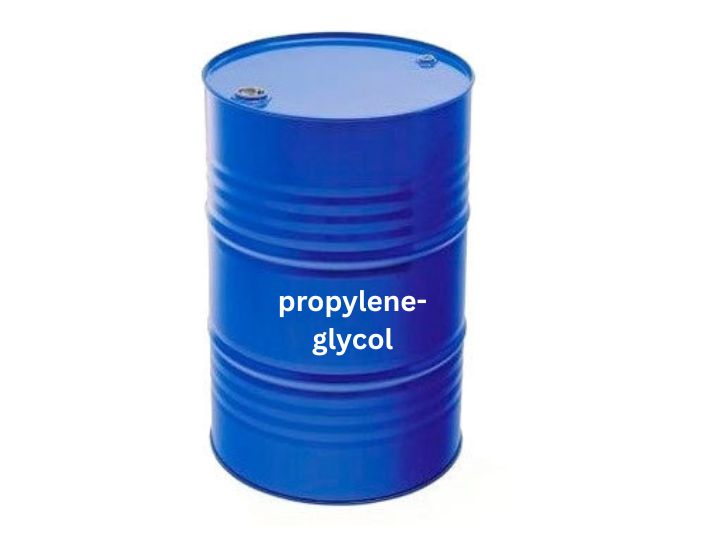
• Custom packaging options—from 25 L drums to IBC, tailored per region.
• Global reach across Asia, Europe, Americas, Africa, facilitated by strategic warehousing.
• Competitive pricing, with flexible credit as well as contractual procurement.
• Training & seminars for users to increase Propylene Glycol efficiency.
In each step—whether sourcing, technical trials, or global distribution—Shakti Chemicals in Maharashtra is the partner of choice for formulators aiming for precision, performance, and peace of mind.
Product Pack Size
Shakti Chemicals offers Propylene Glycol in the following packaging options:
25 L HDPE drums (~25 kg net)
200 kg metal drums (lined)
1,000 L IBC totes (~1 metric ton)
Custom bulk (via ISO tankers or flexibags) for large-scale users
All packages are:
Clearly labeled with product name, batch/lot, manufacture date, expiry.
Accompanied by technical data sheet as well as safety data sheet.
Delivered with UN-compliant packaging as well as tamper-evident seals.
Applications of Propylene Glycol
Propylene Glycol's versatility allows it to be employed across a wide range of industrial and technical applications:
1. Coatings & Paints
o Improved adhesion and hardness on metals, plastics, glass, and concrete.
o Enables primer-less formulations with increased weather resistance.
2. Adhesives & Sealants
o It increases substrate bonding strength.
o Promotes heat and moisture durability.
3. Composite Materials
o Improves filler and fiber wetting and interfacial adhesion (e.g., carbon fiber, glass fiber, mineral fillers).
o It increases impact strength and reduces void formation.
4. Plastics & Thermoplastics
o Surface modification for over-mold, coating as well as printing on polyolefins (PE/PP).
o In-line coupling agent in extrusion as well as injection molding.
5. Elastomeric Systems
o Improved filler dispersion in silicones, rubbers, and PVAc systems.
o Reduced scorch as well as improved cure uniformity.
6. Construction Chemicals
o Enhanced concrete and mortar adhesion, decreasing water uptake.
o Applicable for tile adhesives, grouts, concrete repairing & also waterproofing membranes.
7. Textiles & Non-wovens
o Improves printability as well as wet strength.
o Compatible with hydrophobic fibers like polypropylene and polyester.
8. Metal Treatment
o Pre treatment coating for galvanizing and powder coating.
o Acts as an adhesion promoter as well as corrosion barrier.
9. Electronics & Semiconductors
o Underfill, potting, and encapsulating materials benefit from improved adhesion and reliability.
10. Specialty Formulations
o Antifog coatings, UV-curable systems, protective varnishes—all benefit from multi-functional silane activity.
FAQs
1. What is Propylene Glycol used for?
Propylene Glycol serves as a multi-functional adhesion promoter, coupling agent, and dispersant in coatings, composites, plastics, adhesives, and construction systems.
2. Can Propylene Glycol bond to both organic and inorganic surfaces?
Yes. Silane functionality interfaces with minerals and metals, while polymer backbone interacts with organic substrates.
3. What is the recommended dosage?
Between 0.5–5% w/w based on total formulation, though optimal usage depends on substrate and system compatibility.
4. Is it VOC-compliant?
Yes. With ≤500 g/L VOC content, Propylene Glycol meets many low-VOC regulations, though final formulations must be tested per EPA Method 24.
5. What solvents are used?
Typically ethanol or isopropanol, optionally mixed with cosolvents to adjust viscosity and drying rate.
6. What is its shelf life?
12 months from manufacture when kept sealed, below 30 °C, in a dry environment.
7. How should empty containers be disposed of?
Triple-rinse with solvent, drain residuals, then recycle or dispose by local hazardous-waste guidelines.
8. Can it withstand high temperatures?
Yes. Propylene Glycol remains thermally stable up to 180–200 °C without significant breakdown.
9. Does Propylene Glycol require special handling?
Use PPE (gloves, goggles), work under ventilation, and keep away from ignition sources due to alcohol solvents.
10. Is it compatible with UV-curing systems?
Absolutely. Methacryloxy or epoxy functional variants are well-suited for UV or dual-cure systems.
In summary, Propylene Glycol is a premium-grade polymeric adhesion promoter offering unmatched versatility across coatings, composites, plastics, adhesives, and construction systems. Its unique structural design—combining reactive polymer backbones and organosilane functional groups—ensures durable bonding, improved mechanical properties, and environmental resilience. Distributed globally by Shakti Chemicals, Propylene Glycol is supported by robust technical expertise, regulatory compliance, and flexible supply options, making it the go-to solution for formulators seeking reliable, high-performance additives. With its proven performance and adaptability, Propylene Glycol empowers innovators to enhance product quality while maintaining streamlined and efficient production processes.
Get in Touch with Us
Interested in Propylene Glycol industrial degreaser? Reach out today to place an order or request technical data.
Contact Us- Address: 206-207, 2nd Floor, Wadala Udhyog Bhavan, Naigaon Cross Road, Wadala (West)
- Email: info@shaktichemicals.org
- Phone: +91 4044 0000