
Adipic Acid Suppliers, Dealers in Mumbai, Maharashtra, India
Adipic Acid
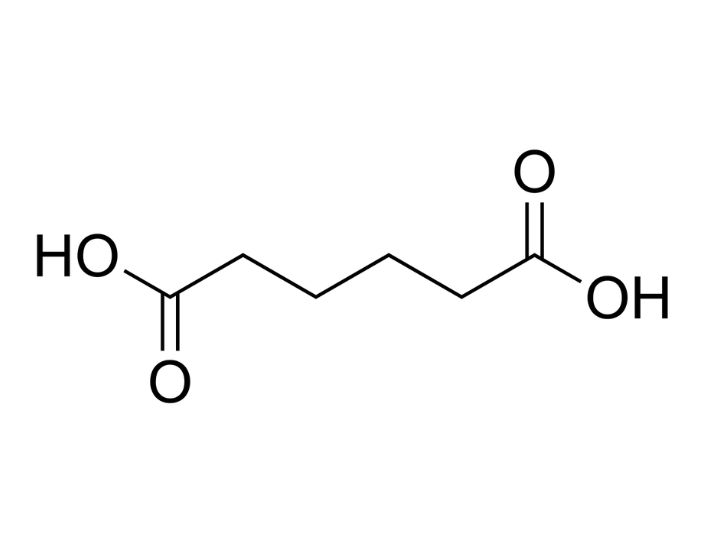
Adipic acid is a keystone chemical in the global industrial landscape. It is renowned for its versatility as well as essential role in the production of synthetic materials. As a key dicarboxylic acid, it plays a critical role in a huge array of applications. Applications ranging from polymer making to food additives & pharmaceuticals. Its most paramount or biggest contribution is in the synthesis of nylon-6,6. Which is a durable & widely-used synthetic fiber. It forms the backbone of numerous consumer as well as industrial products.
Shakti Chemicals being a world-known trader in India, takes pride in being a trusted supplier, exporter of high-purity adipic acid. We offer our clients dependable & uniform quality for their manufacturing needs. Our products meet international quality standards & also serve various industries such as textiles, plastics, automotive, pharmaceuticals as well as food processing. With advanced experience in chemical trading & a robust dedication to user satisfaction, Shakti Chemicals has become a leading name in the chemical supply chain in India & world.
This educational guide whirls around everything you need to know about adipic acid. It consists of things like its chemical structure, formula, specifications & physical properties to its industrial applications & safe handling tactics.
What is Adipic Acid?
Adipic acid, chemically known as hexanedioic acid. It is a saturated dicarboxylic acid with the molecular formula C₆H₁₀O₄. It is made up of a six-carbon chain terminated by two carboxylic acid groups. This gives it the ability or a nag to react with amines as well as alcohols. It makes it ideal for polymerization processes also. Adipic acid is classified or made as an aliphatic dicarboxylic acid. It is one of the most commercially important dicarboxylic acids in the world.
One of the most well-known uses of adipic acid is in the production of nylon-6,6. This is a high-performance engineering plastic used broadly in textiles, automotive parts as well as in electrical components. It acts as a harbinger to hexamethylenediamine, which, in addition with adipic acid, forms nylon (synthetic material) through polycondensation process.
Beyond nylon production, adipic acid also finds utility in:
• Plasticizer production: It reacts with alcohols to form esters known as adipates, which are used to soften PVC and other plastics.
• Polyurethane foams: It serves as a constituent for malleable foams in mattresses (bed or floor) & furniture.
• Food additive: Known as E355, it’s used to provide tartness & also maintain moisture in packaged foods.
• Lubricants and hydraulic fluids: Due to its stable chemical structure and solubility characteristics.
It is typically produced through the oxidation of cyclohexanol & cyclohexanone. It creates a product that is both affordable & available in large quantities.
Chemical Specifications
| Property | Details |
|---|---|
| CAS Number | 124-04-9 |
| IUPAC Name | Hexanedioic Acid |
| Molecular Formula | C6H10O4 |
| Appearance | White crystalline powder |
| Purity | ≥99% |
| Molecular Weight | 146.14 g/mol |
| Melting Point (Mp) | 151 – 153°C |
| Boiling Point (Bp) | 337.5°C |
| Density | 1.36 g/cm³ |
| Solubility | Soluble in water, ethanol & methanol |
| BHS Code | 29171200 |
| Packaging | 25 kg HDPE Bags / Jumbo Bags |
Specifications
Purity: Minimum 99%
Appearance: White crystalline powder
Odor: Odorless or mild
Melting Point: 151 – 153°C
Boiling Point: 337.5°C
Solubility: Soluble in water and most alcohols
Density: 1.36 g/cm³
Stability: Stable under normal conditions
These specifications ensure that our adipic acid meets the stringent quality control standards required for both domestic and international industries.
Handling and Storage
Safe Handling
Use personal protective gears including gloves, goggles, PVC Suits and protective clothing when handling.
Avoid inhaling dust or vapors; use in a well-ventilated area or under local exhaust.
In case of contact with skin, mouthe or eyes, rinse immediately with plenty of water.
Storage Guidelines
Place in a tightly sealed or vacuumed jar in a cool, dry & well-ventilated place.
Keep distance from moisture, water, acids & oxidizing agents.
Ensure that storage jars or trunks are clearly labeled. Also, check that they are daily inspected for leaks or contamination.
First Aid Measures
Eye Contact: Wash properly & cautiously with water for several minutes. Seek medical attention as soon as irritation remains.
Skin Contact: Try to wash thoroughly & properly with soap & water.
Inhalation: Move to fresh air. Provide artificial respiration if needed.
Guzzle: Do not induce vomiting in case you have guzzled acid. Wash mouth with water. Then just go for help asap.
Structure of Adipic Acid
The IUPAC structure or molecular structure of this can be shown as HOOC-(CH₂)₄-COOH. It consists of a six-carbon aliphatic chain (CH₂)₄ with two terminal carboxyl groups (CO). This makes it a linear dicarboxylic acid. This simple-sober structure makes it highly reactive with diamines. This forms the footing for nylon polymers. Its symmetrical nature also commits to uniform polymer chains & improved material strength in applications like fibers & plastics.
Product Pack Size
Our standard pack sizes for adipic acid include:
25 kg HDPE Bags: It is ideal for small to medium industrial users.
Jumbo Bags (500–1000 kg): Designed for bulk consumers to streamline handling and storage.
Customized packaging options are available upon request.
Applications of Adipic Acid
Adipic acid has a humongous spectrum of uses across multiple industries:
1. Nylon-6,6 Production
Used with hexamethylenediamine to form nylon-6,6, extensively used in textiles, engineering plastics, and automotive parts.2. Plasticizers
Esters of adipic acid (adipates) are used as plasticizers. It is employed in the making of flexible PVC & other plastics.
3. Polyurethane Foams
Acts as a foundation in polyurethane foams used in furniture, bedding as well as automotive interiors.
4. Food Additive
Used as an acidulant as well as flavoring agent in beverages, jellies & powdered drinks (E355).
5. Pharmaceuticals
It serves as a pH adjuster & controlled-release agent all in drug formulations.
6. Lubricants and Hydraulic Fluids
Used in the formulation of esters for high-performance or best synthetic lubricants.
7. Coatings and Adhesives
Used in resins & adhesives to improve durability & flexibility.
Why Choose Shakti Chemicals?
Shakti Chemicals is a name equivalent with quality, trust & user satisfaction & happiness in Mumbai. As one of the leading chemical distributor, dealer or traders in India, we bring years of experience. We also have a proven track record in supplying premium-grade adipic acid to a wide range of industries.
Here’s why industries across India & abroad choose Shakti Chemicals:
1. Intransigent Quality
We provide adipic acid with a great purity of ≥99%. This ensures that this item meets the highest performance standards in industrial processes.
2. Reliable Sourcing & Logistics
Our efficient sourcing & strong logistics network guarantee timely delivery, even for bulk orders, across India as well as international markets.
3. User-Focused Service
From order placement to after-sales support, our team is dedicated to offer you a seamless experience. We provide flexible payment options & technical documentation as well as fast user support.
4. Affordable Pricing
We believe in delivering value. By outsourcing directly from good manufacturers & maintaining optimal operational efficiency, we pass on cost benefits to our buyers.
5. Technical Support
Our in-house experts are always ready to assist with product-related queries, usage instructions, and safety data to help you optimize your process outcomes.
6. Eco-conscious Tactics
We follow eco-friendly or conscious practices in our supply chain & support buyers looking for greener & safer alternatives in chemical sourcing.
Frequently Asked Questions (FAQs)
What is adipic acid used for?
It is mainly used in the production of nylon-6,6 & also in plasticizers, foams, food additives & pharmaceuticals.
Is adipic acid safe to handle?
Yes, when handled with standard protective equipment and proper precautions.
Can adipic acid be used in food applications?
Yes, it is permitted as a food additive under the label E355.
What packaging sizes are available?
We offer 25 kg HDPE bags & jumbo bags for bulk requirements.
Is your adipic acid adhere with international quality standards?
Yes, it complies with both domestic & international chemical standards.
What is the shelf life of adipic acid?
When stored properly, it has a shelf life or age of up to 2 years.
Do you provide technical support for industrial applications?
Yes, our team provides documentation & usage guidance.
How should adipic acid be stored or placed?
In a cool, arid as well as well-ventilated area, away from water as well as oxidizing agents.
Is it available for export to other places?
Yes, we ship globally & provide export-grade packaging.
How do I place an order with Shakti Chemicals?
Contact us via our website, email, or phone to get a quote or place your order.
For more info or to place an order for acids, get in touch with Shakti Chemicals, your trusted supplier of adipic acid and specialty chemicals.
Contact Us
Looking to source Adipic Acid in bulk for your industrial or manufacturing needs? Get in touch with us today for competitive pricing and reliable supply.
Contact Us- Address: 206-207, 2nd Floor, Wadala Udhyog Bhavan, Naigaon Cross Road, Wadala (West)
- Email: info@shaktichemicals.org
- Phone: +91 4044 0000